
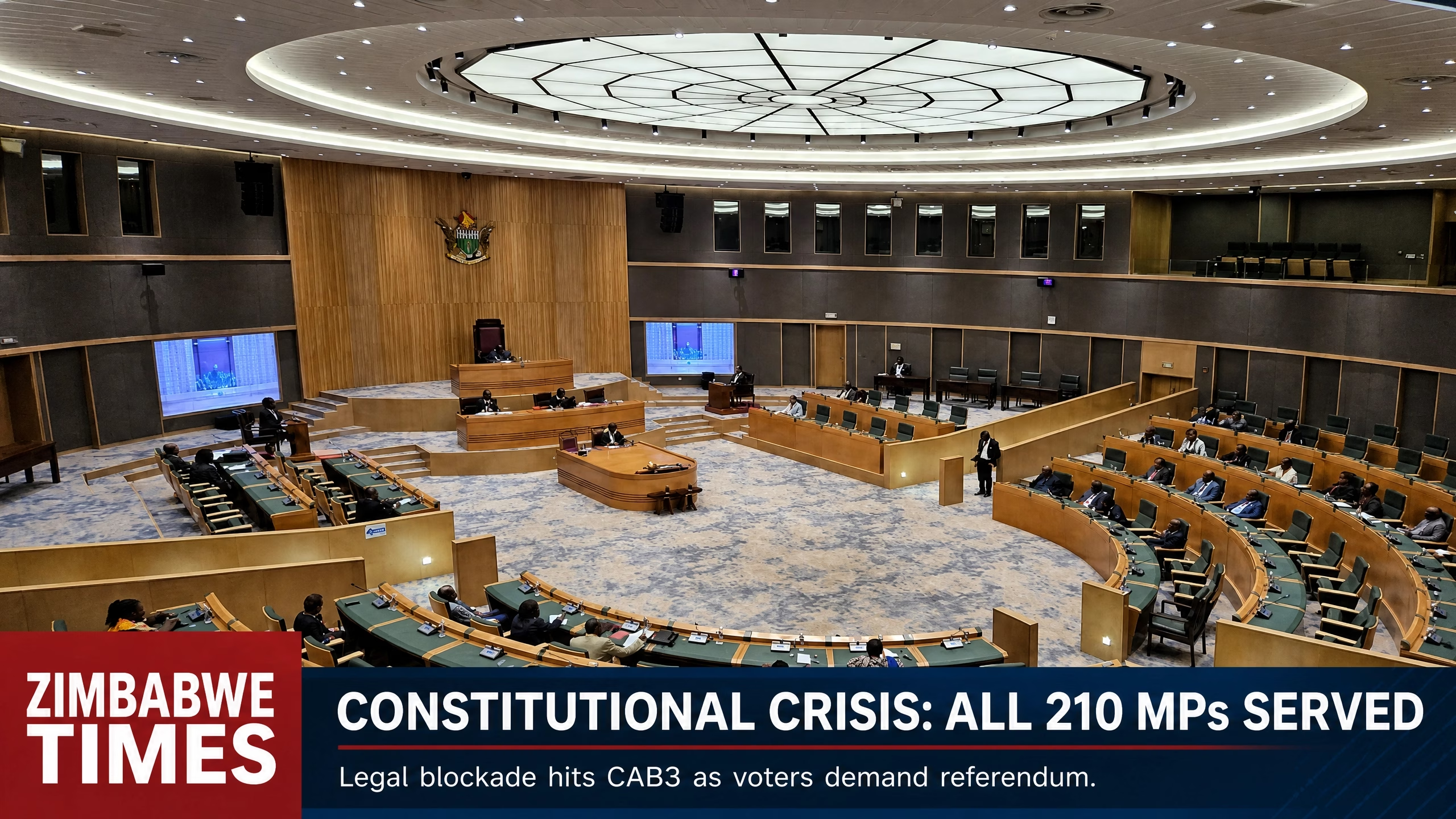
Harare, Zimbabwe | In a coordinated legal maneuver described as unprecedented in Zimbabwe’s post-independence history, registered voters from every constituency in the country have moved to serve all 210 Members of Parliament with individual constitutional challenges.
The legal offensive seeks to halt the progress of the controversial Constitution Amendment Bill No. 3 (CAB3), placing lawmakers on notice that supporting the Bill could lead to personal legal liability.
The applications, filed in the Constitutional Court, argue that the proposed changes—which include extending parliamentary and presidential terms—cannot be passed by a simple legislative vote. Instead, the applicants contend that such fundamental shifts in the nation’s governance framework require direct approval from the citizenry through a national referendum.
At the heart of the legal storm are two major proposals within CAB3 that critics say would fundamentally alter the democratic contract between the state and its citizens:
- Extension of Mandates: The Bill proposes to increase the duration of parliamentary and presidential terms from the current five years to seven years.
- A Shift in Presidential Selection: Under the new provisions, the President would no longer be chosen through a direct national ballot. Instead, the head of state would be elected by a joint sitting of the Senate and the National Assembly.
Voters argue that these changes are not mere administrative adjustments but are direct assaults on the political rights enshrined in Section 67 of the Constitution, which guarantees the right to free, fair, and direct elections.
A primary legal pillar of the challenge is Section 328(7) of the Constitution. This specific clause was designed as a safeguard against “constitutional engineering” by sitting officials. It explicitly prohibits any amendment that extends a term limit from benefiting the person who held that office at the time the amendment was passed.
The applicants argue that by voting for CAB3, sitting MPs are effectively attempting to grant themselves an additional two years in office—a move they claim is a direct violation of the non-benefit principle. “In practical terms, the argument is that lawmakers cannot be both the architects and the beneficiaries of a term extension,” one legal expert noted.
Personal Notice and Political Stakes
What sets this legal action apart is its decentralized nature. Rather than a single lawsuit against the government, voters in each of the 210 constituencies are targeting their specific representative. By serving MPs individually, the applicants ensure that no lawmaker can claim ignorance of the constitutional objections.
The filings warn that if the Constitutional Court eventually finds the Bill to be unconstitutional, MPs who voted in favor of it despite being served with notice may face legal consequences in their own names. This strategy appears designed to raise the “political cost” for representatives who might otherwise follow a party line without considering the legal ramifications.
The campaign, supported by the advocacy group Reject CAB3, maintains that the government is attempting to bypass the mandatory safeguards set out in Section 328. Because the Bill affects fundamental rights and term-limit provisions, the applicants insist that the law is clear: the final decision must rest with the people of Zimbabwe.
As the Bill moves through its early stages in Parliament, this nationwide legal blockade represents a significant hurdle. If the Constitutional Court grants the requested relief, it could effectively freeze the legislative process until a national referendum is held, potentially reshaping the political landscape ahead of the next election cycle.
|
Proposed Change
|
Constitutional Provision at Risk
|
Applicant Argument
|
|
Term Extension (5 to 7 years)
|
Section 328(7)
|
Incumbents cannot legally benefit from extensions they vote for.
|
|
Indirect Presidential Election
|
Section 67 (Political Rights)
|
Citizens are being stripped of their right to directly elect their leader.
|
|
Legislative Approval Only
|
Section 328(6)
|
Fundamental changes to rights and terms require a national referendum.
|

For comments, Feedback and Opinions do get in touch with our editor on WhatsApp: +44 7949 297606 or Email: editor@thezimbabwetimes.co.zw.

